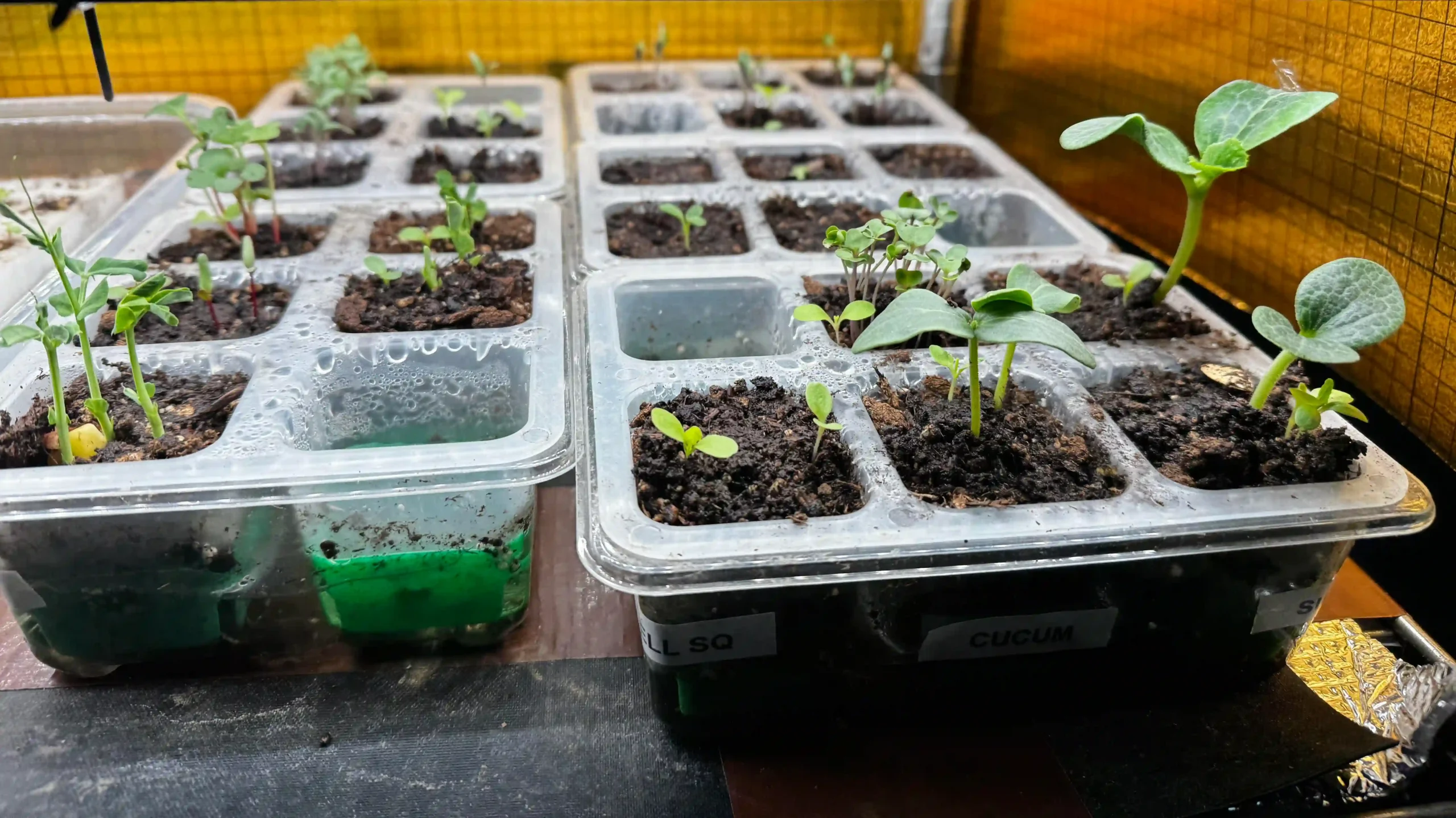
Few things feel as rewarding as watching a tiny seed crack open and push a green shoot through the soil.
I started my first seeds on a kitchen windowsill years ago with nothing more than a yogurt cup and some potting mix. And honestly, that clumsy little experiment changed the way I garden forever.
If you’ve been thinking about starting seeds indoors this spring, you’re in the right place (blog post).
Starting vegetables from seed in spring gives you a head start on the growing season, more variety than any garden center can offer, and a sense of connection to the whole process.
You don’t need a greenhouse or fancy equipment. you just need some good seeds, a warm spot, and a bit of patience.
Let me walk you through five vegetables you can start from seed in spring 2026, along with practical germination tips that actually work.
Why Start From Seed at All?
Before we get to the list, here’s the thing. Buying transplants from a nursery is convenient, but it limits your choices. When you start from seed, you get access to hundreds of varieties, including heirloom tomato seeds that you’ll never find on a store shelf.
You also save money. A single packet of seeds costs a couple of dollars and gives you dozens of plants.
Spring seed starting is also a great way to extend your growing season, especially if you live somewhere with a short summer. Getting a six to eight week head start indoors means your plants are already established by the time the soil warms up outside.
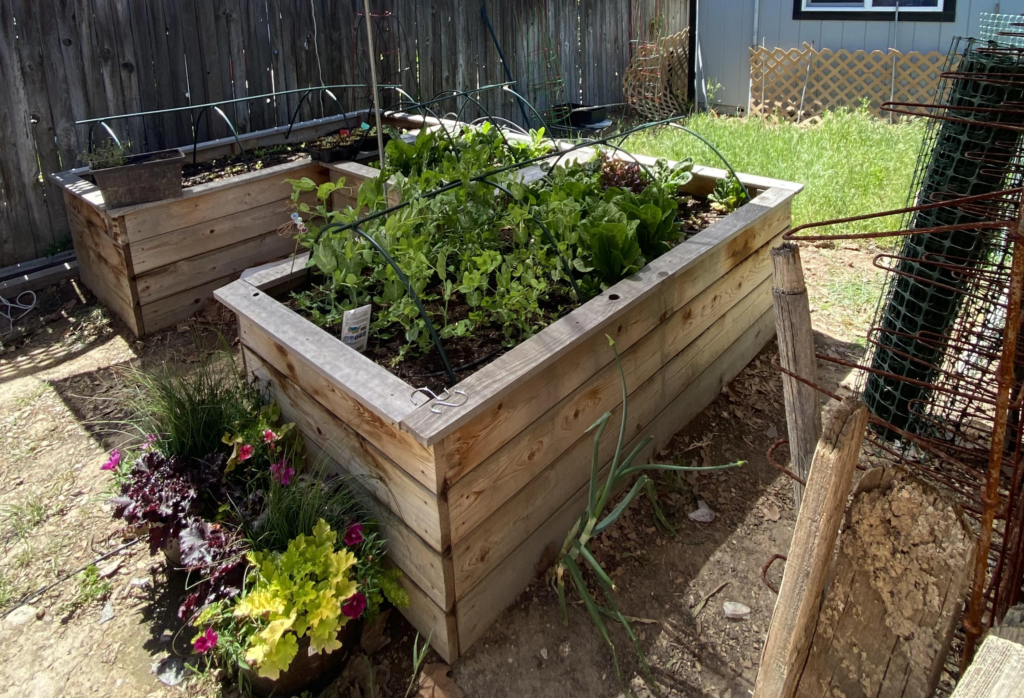
When should you start seeds indoors for spring planting?
It depends on your last frost date and the specific vegetable. As a general rule, tomatoes and peppers need six to ten weeks of indoor growing time, while cucumbers and lettuce need only three to six weeks.
Check your local frost date and count backward from there.
1. Lettuce
Lettuce is one of the easiest vegetables for seed sowing for beginners. it’s forgiving, fast, and doesn’t need much space. You can start lettuce seeds indoors about four to six weeks before your last frost date, or sow them directly outside once the soil is workable.
Here’s a tip most guides skip: lettuce seeds need light to germinate. Don’t bury them deep. just press them gently onto the surface of moist soil and keep them in a bright spot.
A set of LED grow lights for seedlings works well if your windowsill doesn’t get enough sun.
Lettuce germinates in about seven to ten days at temperatures around 60 to 70°F. You can start harvesting baby leaves in as little as three weeks after sprouting. It’s the kind of quick win that keeps you motivated.
2. Beetroot
Beetroot doesn’t get enough love in the seed starting world. most people think of it as a direct sow crop, and it is, but starting it indoors in biodegradable pots gives you a jump on the season.
The trick is to avoid disturbing the roots when transplanting. Beets don’t like their roots messed with.
One thing that surprises new growers is that each beetroot “seed” is actually a cluster of seeds. so you’ll often get two or three seedlings from a single seed ball. Thin them early so each plant has room to develop a decent root.
Soak the seeds overnight before planting. This softens the outer shell and speeds up germination, which usually takes about ten to fourteen days.
These vegetable germination tips make a real difference with beetroot specifically.
3. Tomatoes
If there’s one vegetable that makes people fall in love with seed starting, it’s tomatoes. And for good reason. the variety you get from growing your own is unmatched.
We’re talking about heirloom tomato seeds like Brandywine, Cherokee Purple, and Green Zebra. varieties with actual flavor, not the tasteless supermarket kind.
Start tomato seeds indoors about six to eight weeks before your last expected frost. Use a seed starting toolkit with small cells or peat pots, and keep the soil temperature around 70 to 80°F for best results. A heat mat helps a lot here.
Tomato seeds typically germinate in five to ten days. Once the seedlings develop their first true leaves, move them to slightly larger containers.
And here’s something a lot of people forget: tomatoes love to be buried deep. When you transplant them, bury the stem up to the lowest set of leaves. They’ll grow roots along the buried stem, which makes for a stronger plant.
4. Peppers
Peppers are close cousins of tomatoes, but they’re a bit slower and fussier about temperature. Start pepper seeds indoors about eight to ten weeks before your last frost. they need that extra time because they germinate slower and grow at a more measured pace.
Keep the soil temperature between 75 and 85°F for the best germination rates. Without warmth, pepper seeds can sit in the soil for weeks doing nothing. a heat mat is almost essential for peppers.
LED grow lights for seedlings are also important here because peppers need strong, consistent light to avoid getting leggy.
Expect germination in about ten to twenty days depending on the variety. Hot peppers tend to take longer than sweet ones. Once they’re up and growing, peppers are fairly low maintenance. Just don’t rush them outside. They hate cold.
5. Cucumbers
Cucumbers are the sprinters of the vegetable garden. They grow fast, produce a lot, and they’re surprisingly easy from seed. Start cucumber seeds indoors about three to four weeks before your last frost date. Don’t start them too early because they grow quickly and get root bound in small containers.
Use large pots or biodegradable containers so you can transplant without disturbing the roots. Cucumber seeds germinate in about three to seven days when the soil is warm, around 70 to 85°F. They’re one of the most satisfying seeds to start because the progress is visible almost daily.
One thing to keep in mind with cucumbers is that they’re very sensitive to cold. Don’t transplant them outside until nighttime temperatures are consistently above 55°F.
Don’t Skip the Hardening off seedlings Process
You’ve grown beautiful seedlings indoors. great. But you can’t just move them outside and expect them to thrive. Hardening off seedlings is the process of gradually exposing indoor grown plants to outdoor conditions over about seven to ten days.
Start by placing your seedlings outside in a sheltered, shady spot for a couple of hours. Each day, increase their time outside and gradually introduce more direct sunlight. By the end of the week, they should be able to handle a full day outdoors.
Skip this step and your seedlings will get sunburned, windburned, or just go into shock. I learned this the hard way with a tray of beautiful tomato seedlings that turned white and crispy within 48 hours. Don’t make that mistake.
Conclusion
You don’t need to spend a fortune, but a basic seed starting toolkit makes the whole process smoother. here’s what I’d recommend:
A set of seed trays or small pots with drainage holes. Quality seed starting mix (not garden soil, it’s too heavy). LED grow lights for seedlings if you don’t have a south facing window. A heat mat for warm season crops like tomatoes and peppers. Labels and a marker, because you will forget what you planted where.
That’s it. You don’t need a fancy setup. I’ve started thousands of seeds on a folding table in my basement with a shop light overhead. It works.
FAQ
Do I need grow lights for starting seeds indoors?
Not always, but they help a lot. If you have a bright, south facing window, that can work for some crops. But most seedlings need 12 to 16 hours of light per day, and winter sunlight through a window often isn’t enough.
Can I use regular garden soil for starting seeds?
No. Garden soil is too dense, can carry diseases, and doesn’t drain well in small containers. Use a sterile seed starting mix, which is light, fluffy, and designed for tiny roots to push through easily.
What does hardening off mean and is it really necessary?
Yes, it’s necessary. Plants grown indoors are used to stable temperatures, no wind, and filtered light. Moving them outside without transition can cause serious stress or even kill them.